Quick Overview
- Refrigerators (absorption and compressor)
- Stoves and ovens
- Microwaves
- Washers and dryers
- Propane systems
- Awnings
RV Appliances Aren't the Same as What's in Your House
If you've ever tried to call a regular appliance repair company about your RV fridge, you know the problem. They take one look at the absorption cooling unit or the propane burner assembly and tell you they can't help. That's because RV appliances are built completely differently from residential ones. They're lighter, they run on multiple fuel sources, and they're designed to handle the vibration and movement of being on the road.
I'm Michael Morris, and I've been repairing RV appliances across Fellsmere and Indian River County since 2011. Over 3,200 repairs later, I've worked on just about every appliance brand and model you'll find in a motorhome or travel trailer. We handle refrigerators (both absorption and compressor types), stoves and ovens, microwaves, washer/dryer combos, propane systems, awnings, and range hoods. Every repair happens on-site at your campsite, driveway, or storage lot.
Have you noticed your RV fridge not holding temperature? Is your stove igniter clicking but not lighting? Those are exactly the kinds of problems we fix every week. According to the RVIA, appliance-related issues account for roughly 38% of all RV service calls. That matches what we see here in Florida, where the heat and humidity put extra stress on cooling systems and gas components. If something's not working right, reach out for a free estimate and we'll get it sorted.
Dometic vs. Norcold: What You Need to Know
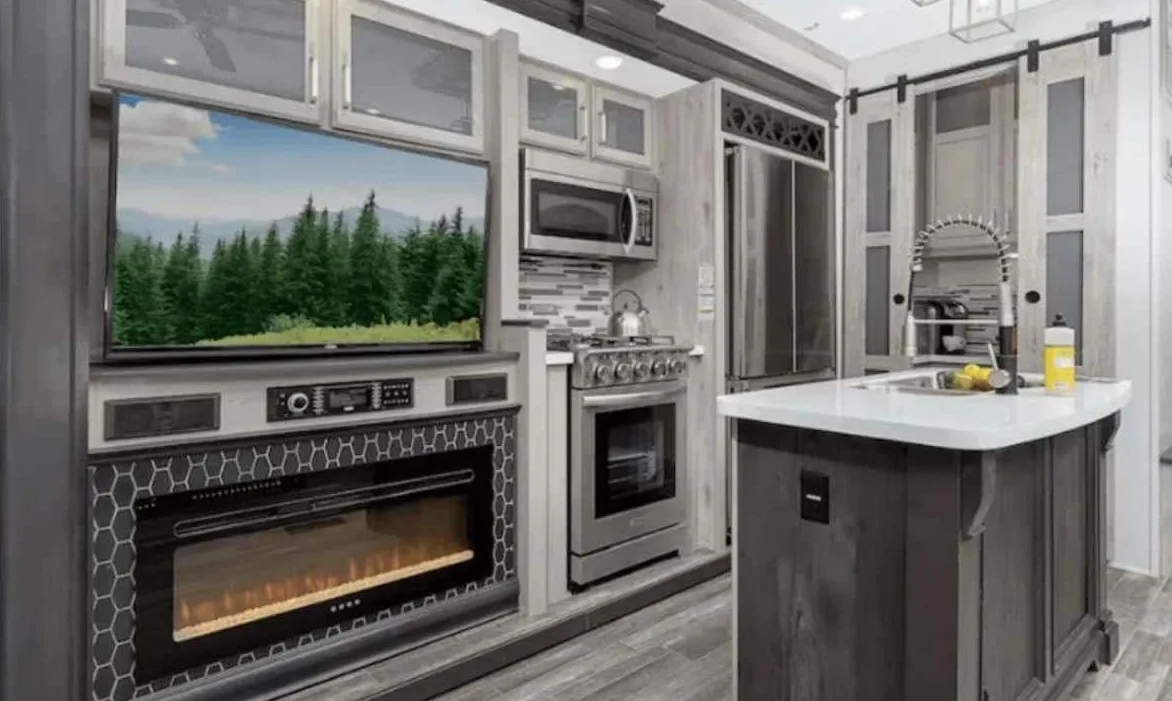
Dometic and Norcold make about 85% of the RV refrigerators on the road today, and they're more different than most owners realize. Dometic units tend to use a slightly larger cooling coil design and generally have better heat dissipation at the back of the unit. Norcold fridges, on the other hand, often run quieter but can be more prone to cooling unit failures in high-ambient-temperature environments like Florida summers.
One thing both brands have in common: they use absorption refrigeration, which relies on a mix of ammonia, water, and hydrogen gas instead of a mechanical compressor. There's no compressor motor to wear out, but the boiler tube can develop sediment blockages over time. According to Dometic's technical manuals, keeping the fridge level within 3 degrees is critical for long-term reliability. When a rig sits off-level for extended periods, the ammonia solution doesn't circulate correctly, and the cooling unit will eventually fail.
Norcold's technical bulletins also warn about the importance of annual burner cleaning. In Florida, mud dauber wasps love to build nests inside propane burner jets, which blocks the flame and causes the fridge to stop cooling on gas mode. If your Norcold runs fine on AC power but won't cool on propane, a clogged burner is the first thing we check. We're certified to work on both brands and carry common replacement parts on our service truck, so most repairs are done in a single visit.
Need help with the electrical side of your fridge? Absorption fridges rely on a heating element for AC operation, and we often coordinate electrical and appliance repairs together.
RV Appliance Repair Pricing
Prices depend on the specific problem, parts needed, and appliance brand. Here's what most repairs fall within:
| Service | Price Range |
|---|---|
| Refrigerator Repair | $150 - $600 |
| Stove / Oven Service | $95 - $350 |
| Microwave Repair | $95 - $250 |
| Washer / Dryer Service | $150 - $500 |
| Propane System Service | $125 - $400 |
| Awning Repair | $150 - $500 |
| Dometic Fridge Repair | $200 - $700 |
| Range Hood Service | $95 - $250 |
Appliances We Repair
RV Refrigerators
Absorption fridges (Dometic RM series, Norcold N-series) and residential-style compressor fridges are both on our service list. Common problems include cooling unit failure, bad thermistors, malfunctioning control boards, and burner assembly issues. A full cooling unit replacement takes 4 to 6 hours on-site. We test both the gas and electric modes to confirm everything works before we leave.
Stoves and Ovens
RV stoves run on propane, and the most frequent issues are igniter failures, thermocouple problems, and clogged burner orifices. Suburban and Atwood (now Dometic) make most of the stoves we see. If your oven won't hold temperature or the burners light unevenly, it's usually a 1 to 2 hour fix. We also check for gas leaks during every stove repair as a standard safety step.
Microwaves and Range Hoods
RV microwaves take more vibration abuse than their household counterparts, so door latch failures and magnetron burnouts happen more often. Range hood fans collect grease and debris that restrict airflow over time. Both are relatively straightforward repairs, usually in the $95 to $250 range. If the microwave is older than 8 years, we'll give you an honest opinion on whether repair or replacement makes more financial sense.
Washer/Dryer Combos
Splendide and Westland make most of the combo washer/dryers in RVs. These units are compact and share components between the wash and dry cycles, which means a single failure can knock out both functions. Drum bearing issues, water pump failures, and control board problems are what we see most. If your unit is leaking water or not draining, it's often connected to a plumbing issue rather than the appliance itself, and we can diagnose both.
Propane Systems
Your propane system powers the fridge, stove, oven, water heater, and sometimes the furnace. A leak anywhere in that system is a serious safety concern. We pressure-test regulators, inspect all gas lines, check fitting connections, and test appliance valves. According to the RVIA, propane system inspections should happen annually, and about 1 in 12 RVs tested show some kind of gas leak at the fittings. Don't skip this one.
Awnings
Manual and electric awnings from Carefree, Dometic, and Lippert are all in our wheelhouse. Stuck awnings, torn fabric, broken springs, and motor failures are the usual suspects. Florida's afternoon storms can damage an extended awning in minutes, so if you're dealing with bent arms or a ripped canopy, we can repair or replace the affected components. Awning repairs typically take 1 to 3 hours depending on the damage.
How It Works
Call for an Estimate
Call 772-356-1760 or fill out the contact form. Describe the appliance issue and we'll give you a cost estimate over the phone.
Diagnose the Problem
We come to your location, inspect the appliance, and pinpoint the exact issue. You'll get a final quote before we start any work.
Repair and Test
We complete the repair on-site, test everything thoroughly, and make sure the appliance is running correctly before we leave.
Frequently Asked Questions
Need an RV Appliance Repaired?
Call today for a free estimate. We're available Monday through Saturday, 7:00 AM to 7:00 PM.
Call 772-356-1760